Skip to content

Introduction
Starting a business venture is indeed an exciting venture. However, choosing a suitable legal structure for your business is equally crucial. Amongst all the business categories in India, registering a private limited company in India is considered to be the most popular and prominent choice for startups and growing businesses. It builds credibility, attracts investors, gains limited liability, and readiness of the investor.
This comprehensive blog takes you through how to form a private limited company, eligibility, documents required for pvt ltd company registration in India- and all other essential aspects of company pvt ltd registration.
What is a Private Limited Company?
A Private Limited Company in India is the most popular type of business registration, which is further governed by Companies Act 2013, under the Ministry of Corporate Affairs (MCA).
This business entity is confined to a limited number of shareholders and restricted from trading shares publicly. However, this ensures that business ownership control remains within a close group of individuals.
Key Features
- Separate legal entity- The organization is a distinct legal entity which can own property, enter into contracts, and can be sued or sue in the company’s name.
- Perpetual Succession- The organization’s existence is continuous and further it is not affected by departure of its members.
- Limited Liability- Shareholders of the business are only liable to the capital amount they have invested and safeguarding their personal assets from debts.
- Restricted Share Transfer- Company’s shares can be transferred only to existing members and requires approval from the board of directors. It can’t be transferred or offered to the public.
Most importantly, the company’s name must end with “Private Limited” or” Pvt Ltd”.
Eligibility Criteria to Register a Private Ltd Company India
To form a pvt limited company in India, you must possess following eligibility criteria-
- Number of Directors– A Pvt Ltd company should have at least 2 directors, out of which one must be resident of India.
- Number of Shareholders– It should have a minimum of 2 members and a maximum of 200 members.
- Registered Office– Having a physical registered office is mandatory for official correspondence.
- Unique Company Name– The proposed company name should be unique and not resemble any existing organization name.
- No Minimum Capital– No mandatory paid-up capital requirement for incorporation of a private limited company.
- Director Identification Number(DIN)– All directors of the company should have a DIN
- Digital Signature Certificate(DSC)- At least one of the company directors should have DSC for signing online forms.
- A Memorandum of Association(MoA) must clearly mention all legal objectives of the organization
Documents Required for Pvt ltd Company Registration
Starting a pvt limited company in India requires meeting certain legal requirements and submitting relevant documents. Here is the list of key documents for registering a private limited company in India.
-
Identification and Address proof of all shareholders and directors
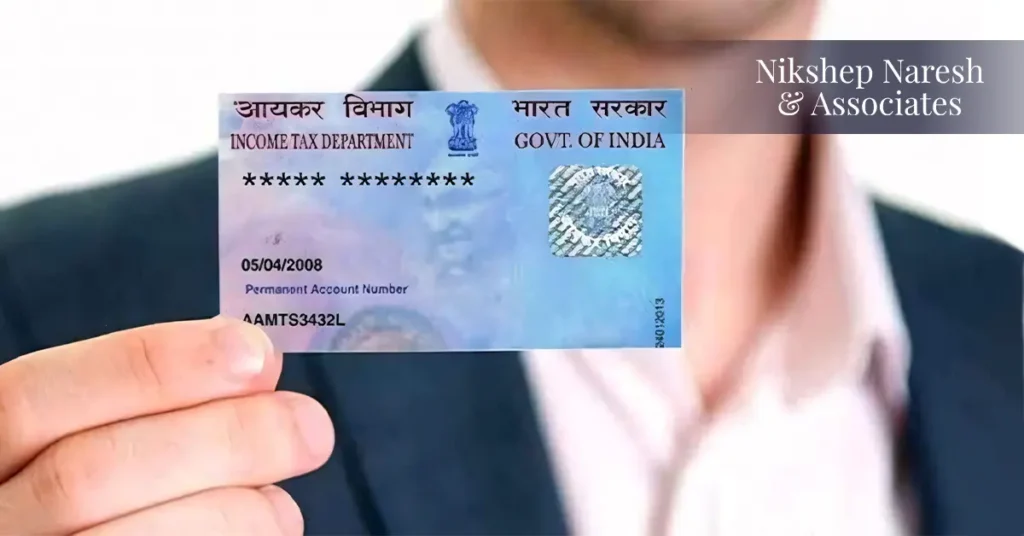
- PAN card/ Aadhar card/ Voter ID card/ Driver’s license
- In case of any foreign nationals, having a passport is mandatory along with valid address proof, bank statement, or driver’s license.
-
Director Identification Number(DIN)
All directors of the company should have a DIN issued by the Ministry of Corporate Affairs.
-
Digital Signature Certificate (DSC)
All the company directors should have DSC for signing online forms and other filings through the MCA portal during the company registration process.
-
Company Address Proof
- Rent/lease agreement
- NOC by the property owner
- Latest telephone/electricity bill of the office premises
-
Declaration by Directors
Each of the directors must submit a declaration stating their eligibility to directors under Companies Act 2013. This declaration comprises their DIN , non-disqualification, and consent to act as a director.
-
Memorandum of Association(MoA) and Articles of Association(AoA)
MoA defines the scope and objectives of the organization, whereas AoA explains the rules and regulations of internal management. These two documents must be drafted and signed by the shareholders.
Ensure that all the essential documents are duly signed and attested. However, these documents must be submitted to the Registrar of Companies through the Ministry of Corporate Affairs (MCA) portal for the incorporation of a private limited company.
What is the Timeline for a Private Limited Company Registration Process?
The entire process of private limited company registration takes around 10 working days. Now-a-days, through the MCA portal, registering a private limited company in India has become a fast process.
Sometimes, the process can become longer depending on various factors, such as accuracy of the documentation, availability of company name, and workload of the company authorities.
Cost of Pvt ltd Company Registration in India
Registering a private limited company in India involves various costs, including location, professional fees, location, number of directors, and capital amount.
Let us look at the table to know more on cost involved in registering a private limited company in India-
| Sl. Number | Cost Factor | Fees |
| 1 | Company name approval | Rs 1000 |
| 2 | SPICe+ Form Fee | Rs 500 (Capital> 15lakhs) |
| 3 | Director Identification Number (DIN) | Rs 500 per DIN number |
| 4. | Digital Signature Certificate (DSC) | Rs 2500- Rs 3000 per DSC |
| 5 | Stamp Duty | Varies by State |
| 6 | Professional Tax Registration | Rs 20,000 to 25,000 depending on the service provider |
| 7 | PAN and TAN charges | Rs 200 approximately |
How to Register a Private Limited Company?
Registering a private limited company in India requires to fulfil following mandatory steps:
-
Select a Unique Business Name
- Ensure to choose a unique name reflecting the identity and vision of your business and also should not be used by someone else.
- You can also check for the name availability on the MCA portal.
-
Obtain Digital Signature Certificate (DSC)
- Digital signature Certificates (DSC) are crucial for filing online documents and verifying the authenticity of your business.
- Get DSC for your organization’s directors and shareholders from certified authorities.
-
Obtain Director Identification Number (DIN)
Apply for a Director Identification Number (DIN) through an online portal by uploading all the required documents of each director of the organization.
-
Prepare Memorandum of Association (MoA) and Article of Association (AoA)
You can easily prepare AoA and MoA through the online portal using SPICe+ form.
-
Company Name Approval
Submit the application for business name approval along with essential documents to the Registrar of Companies (RoC) of the concerned state where your business will be registered. This process can be done via MCA portal through using SPICe+ form and paying prescribed fees.
-
File Documents for Incorporation
Submit the following documents on the MCA portal.
- AGILE-PRO– ESIC, EPFO, GST registration process.
- INC-14– Declaration made by practicing professionals( A Company Secretory, An Advocate, Chartered Accountant)
- INC 15– Declaration made by the applicants stating all the requirements for company incorporation have been met.
-
Registration Fees
Payment for pvt ltd company registration depends on the amount of authorized share capital and state/union territory of your company location.
-
Verification and Approval
This is a legal document that confirms the existence and registration of your organization.
The Registrar of Companies (RoC) will assess all your company documents carefully. Post approval of documents, RoC will issue the certificate of incorporation, which can later be downloaded from the MCA portal.
-
Get your PAN and TAN for business
Apply for PAN (Permanent Account Number) and TAN (Tax Deduction and Collection Account Number) after approval of company incorporation.
-
Open a Bank Account under Company’s Name
After all the above process, open a bank account in the name of your business organization and deposit a capital of Rs 1 Lakh (which is a minimum capital for pvt ltd company).
-
Obtain License for your Business
Business license and permit requirements differ based on the nature of your business.
-
Register Business under GST
Register your business for GST and comply with the tax obligations. Register for GST if the annual turnover exceeds 40 lakhs and 20 lakhs for special category states.
-
Start your Business Operations
After carefully completing the above procedure for private limited company registration, your private limited company is all set to commence its operations.
Benefits of Pvt Ltd Company Registration in India
-
Increased Fundraising Opportunity
Private limited organizations have rather more fundraising opportunities, such as by getting loans from banks, corporate loans, hedge funds, venture capitalists, among others.
-
Trust and Credibility
Pvt limited company in India being a registered business entity, it demands trust and credibility amongst its shareholders, suppliers, investors, and stakeholders.
-
Easy transfer of Ownership
Private limited companies in India provide flexibility in transferring ownership.
-
Raising Capital
Registering a private limited company in India usually comes with compliance requirements. It helps them to raise capital through equity and limits the liability.
-
Management Control
Pvt ltd companies offer effective control over the business as well as management. At times, even the shareholders take part in business related decisions.
-
Tax Efficiency
Private limited companies usually get tax benefits.
-
Attracts Investors
Investors usually prefer investing in private limited organizations due to its potential for growth, profitability, and its liability feature.
Final Thoughts
Private limited company registration in India provides a strong business foundation for entrepreneurs. Additionally, it also provides growth potential and investor friendly structure. With the inception of digital incorporation through the MCA portal, registering a private limited company in India has become much easier, faster, and transparent.
Regardless of your organization type, i.e. startups, manufacturing unit, or consulting agencies, choosing a suitable pvt ltd can pave the way for legal protection, funding opportunities, and long-term scalability.